Did Michigan voters pass Proposals 1 and 2?
Rachel Thompson is a dedicated community reporter with a focus on neighborhood initiatives and local events. She graduated from the University of Michigan in Ann Arbor and spent several years with the Detroit News before returning to her hometown of Toledo. Rachel is deeply invested in the community and enjoys telling stories that highlight local heroes and grassroots movements.
More from Rachel →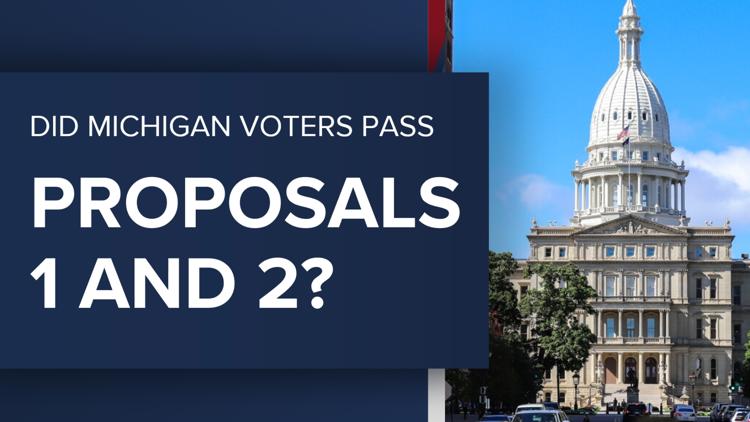
In this story
As the sun dipped below the horizon on a crisp November evening, the atmosphere buzzed with anticipation in Michigan. Families gathered around their televisions, their hearts racing as they awaited the results of the proposals that could reshape the landscape of their communities. In a state where civic engagement runs deep, the voting outcomes were not just numbers; they represented the voices of the people, echoing their hopes and concerns.
The Heart of the Matter
In the recent election, Michigan voters faced two significant proposals that could have lasting implications for governance and community welfare. Proposal 1, which sought to amend the state constitution regarding certain regulations, was met with a resounding rejection from the electorate. Meanwhile, Proposal 2 found favor among voters, successfully passing with a clear mandate. This proposal aims to limit campaign contributions from regulated utility companies and government contractors, reflecting a growing desire for transparency and accountability in the political sphere.
The results were not merely a reflection of political leanings but rather a testament to the values held by Michiganders—values that prioritize integrity and fair representation in the democratic process. As the state grapples with the implications of these decisions, the voices of families and communities resonate louder than ever.
Understanding the Proposals
Proposal 1 aimed to introduce changes that would have altered the regulatory framework within which various sectors operate. However, voters expressed their discontent, leading to its rejection. This decision underscores a collective sentiment among residents that the proposed changes did not align with their vision for the future of Michigan.
On the other hand, Proposal 2 was crafted to address concerns over the influence of money in politics. By restricting the flow of campaign contributions from utility companies and contractors, this proposal seeks to ensure that the voices of everyday citizens are not drowned out by corporate interests. The passing of Proposal 2 is a significant step towards restoring faith in the democratic process, emphasizing the importance of grassroots movements and community engagement.
Community Impact
The implications of these proposals extend beyond the ballot box; they touch the very fabric of Michigan's communities. Families are increasingly concerned about the influence of money in politics, and the passing of Proposal 2 reflects a collective desire for a political system that prioritizes the needs of the people.
Residents from across the state have expressed their support for measures that enhance transparency and accountability. With Proposal 2 now in effect, Michiganders can expect a political landscape that fosters greater trust between elected officials and their constituents. This shift is particularly vital for families who want to ensure that their voices are heard and that their concerns are addressed in the halls of power.
Voices from the Community
The reactions from the community following the election results have been overwhelmingly positive, particularly regarding Proposal 2. Local leaders and activists have lauded the decision as a victory for democracy. “This is a win for the people,” said Emma Johnson, a community organizer from Detroit. “It shows that when we come together, we can make our voices heard and demand change.”
Families across Michigan are celebrating this victory, viewing it as a step towards a more equitable political environment. “We want our children to grow up in a state where their voices matter,” shared Mark and Lisa Thompson, parents from Grand Rapids. “Proposal 2 gives us hope that our concerns will be taken seriously.”
Grassroots Organizing and Mobilization
The successful passage of Proposal 2 can be attributed to the tireless efforts of grassroots organizations that mobilized communities across Michigan. Groups like the Michigan League of Women Voters and local chapters of the Sierra Club played pivotal roles in educating voters about the implications of the proposals. They organized town hall meetings, distributed informational pamphlets, and engaged in door-to-door canvassing to ensure that residents understood what was at stake.
“We saw an unprecedented level of engagement this election cycle,” noted Sarah Martinez, a volunteer coordinator for a local advocacy group. “People are more aware of how campaign financing affects their lives and are ready to take a stand.” The mobilization efforts were particularly strong in urban areas, where residents often feel the brunt of corporate influence in politics. The grassroots campaign not only informed voters but also empowered them to voice their opinions and participate actively in the electoral process.
Looking Ahead
As Michigan moves forward in the wake of these election results, the focus will undoubtedly shift to the implementation of Proposal 2. Local governments and organizations will need to adapt to the new regulations surrounding campaign contributions, ensuring compliance while fostering an environment of transparency.
The passage of Proposal 2 brings with it a renewed sense of hope for many residents. It signifies a commitment to a political system that prioritizes the voices of the people over corporate interests. As families continue to engage in the democratic process, they are reminded that their participation is crucial in shaping the future of their communities.
Community Engagement Initiatives
In the wake of Proposal 2's success, various community organizations are planning initiatives to further engage residents in the political process. Workshops on understanding campaign finance laws, voter registration drives, and forums for discussing local issues are already in the works. These initiatives aim to equip citizens with the knowledge and tools they need to hold their elected officials accountable and actively participate in local governance.
“It’s not just about passing a proposal; it’s about continuing the momentum,” stated Angela Reyes, a member of a local advocacy group. “We want to create a culture where people feel empowered to speak out and get involved.”
Challenges Ahead
Despite the optimism surrounding Proposal 2, challenges remain. Critics argue that while limiting contributions is a step in the right direction, it may not fully address the systemic issues within the political system. Some residents express concerns that large sums of money can still flow through other channels, potentially undermining the intent of the proposal.
Local leaders and advocates are aware of these challenges and are committed to addressing them through ongoing dialogue and advocacy. “We need to keep pushing for reforms that truly reflect the will of the people,” emphasized Emma Johnson. “It’s about creating a system that works for everyone, not just those with deep pockets.”
In particular, the community will be watching closely as the state implements the new regulations. The effectiveness of these measures will be scrutinized, and residents will be vigilant in ensuring that the spirit of Proposal 2 is upheld.
In Conclusion
In conclusion, the recent election results in Michigan highlight the power of collective action and the importance of civic engagement. As families rally around the ideals of integrity and accountability, they are paving the way for a brighter future—one where every voice matters, and every vote counts. The journey ahead may be challenging, but with a united community, there is no limit to what can be achieved.