Health
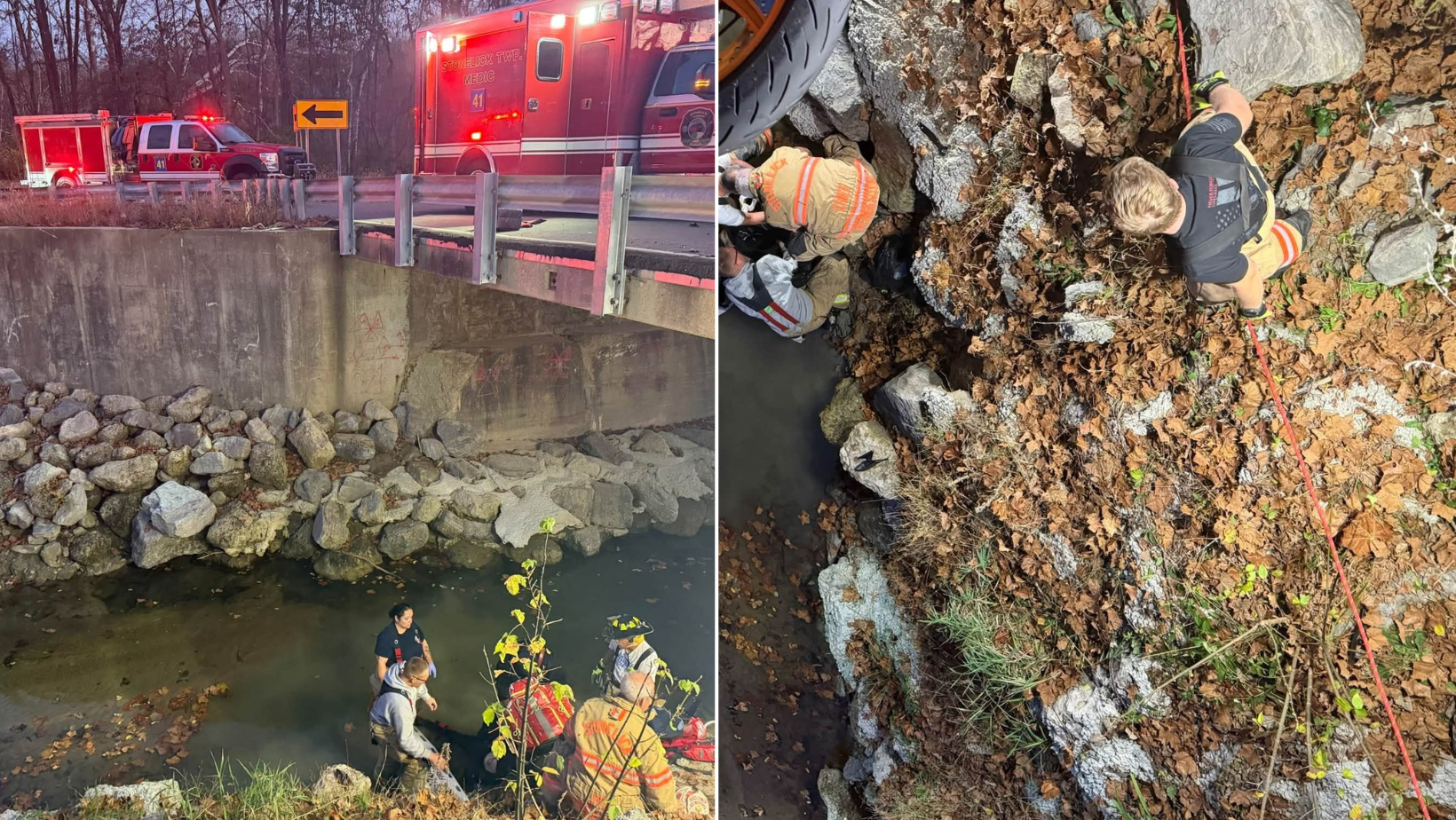
Motorcycle rider flown to hospital after crashing into creek in Clermont County
By Carlos Ramirez
Advertisement · Why this ad?
Darnell is an economics graduate from Miami University who has dedicated over a decade to reporting on local businesses and economic trends. Before joining Cincinnati Current, he reported for WCPO 9 News, where he covered breaking business stories impacting the local economy.
More from Darnell →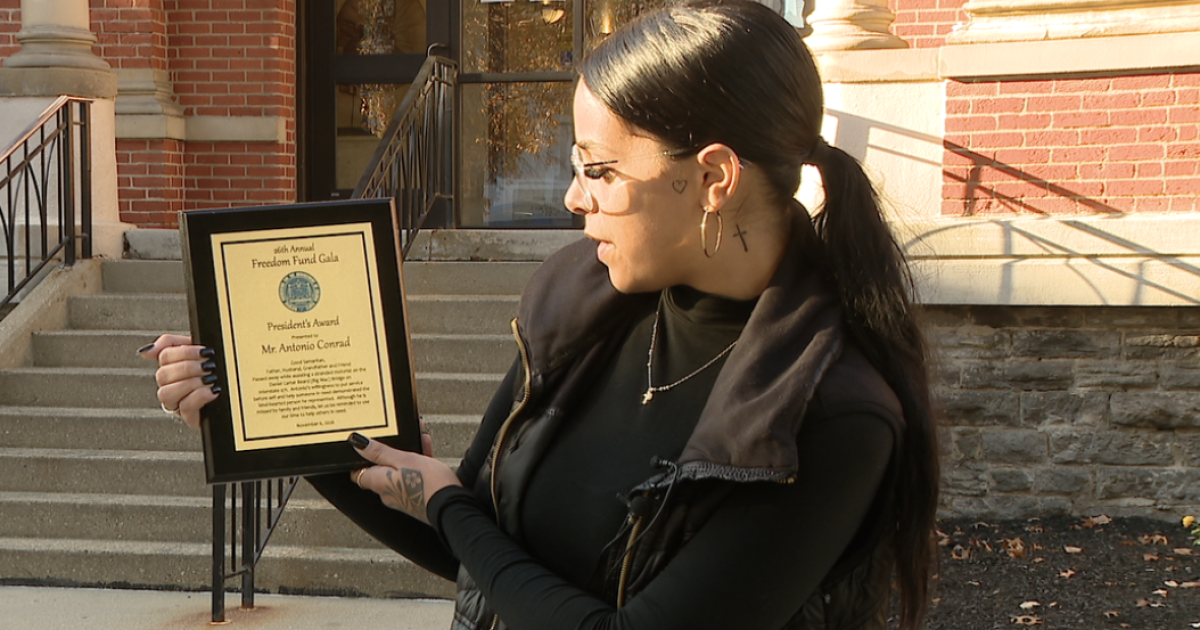
The weight of unanswered questions and delayed justice hangs heavy over the Conrad family. It’s been more than 16 months since Antonio Conrad, a father of six and grandfather of four, lost his life while selflessly assisting a stranded motorist on the Daniel Carter Beard Bridge – a bridge many Cincinnatians know as the “Big Mac Bridge.” The latest brief court hearing on Tuesday, where the case against 23-year-old John Ray, the driver accused of reckless homicide, was continued for another two months, only amplified the family’s frustration and prolonged their grieving process. The case underscores a painful reality: even in a system designed for swift justice, families can be left adrift in a sea of legal delays, desperately seeking closure.
The tragedy unfolded on the morning of July 5, 2025, when Antonio Conrad, 36, was driving on I-471 across the Daniel Carter Beard Bridge. According to the Newport Police Department, Conrad encountered a disabled vehicle in the far-right lane and stopped to help. John Ray, then 23 years old, subsequently crashed into the back of Conrad’s vehicle, tragically pinning him between the two cars. Conrad was transported to a hospital where he succumbed to his injuries. Ray remained at the scene following the collision, and investigators reported he admitted to being distracted, claiming his phone fell to the floor just before the impact. Despite this admission and remaining at the scene, more than a year elapsed before Ray was formally indicted on a reckless homicide charge. He pleaded not guilty at his arraignment in September 2026. His next court appearance is scheduled for January 11, 2027, at 8:30 a.m.
The lengthy delay in bringing charges against Ray is a significant point of contention for the Conrad family. While discovery – the exchange of evidence between prosecutors and defense attorneys – is a standard part of the legal process, the ongoing issues surrounding the incomplete evidence, including a problematic phone data download, have contributed to the protracted timeline. According to court proceedings, Ray's defense attorney had only recently received partial discovery from prosecutors and is working to review it. The prosecutor confirmed the difficulty in accessing the downloaded phone data and acknowledged outstanding matters regarding a toxicology expert. The Campbell County Commonwealth’s Attorney's Office has not responded to inquiries regarding the investigation's length.
The case highlights the complexities of modern investigations, particularly those involving digital evidence. The reliance on phone data and other electronic records is increasingly common in accident investigations, but the challenges in obtaining and interpreting that data can significantly impact the timeline of a case. This situation underscores the need for continued investment in forensic technology and training for law enforcement and prosecutors to ensure timely and effective investigations.
For Anieya Phillips, Conrad’s oldest daughter, the delays are agonizing. “I’d say I’m pretty frustrated, just given again we’re here, and we have no answers,” she stated outside the courtroom. Her mother, Silver Conrad, echoed this sentiment, expressing frustration over the lack of communication from prosecutors regarding the investigation. “No communication,” she said plainly. Phillips also questioned the lack of restrictive conditions placed on Ray, noting he was not incarcerated before his arraignment and has not been subjected to ankle monitoring. The family's frustration is palpable, compounded by the emotional toll of grieving without a clear path toward resolution.
Despite the ongoing legal battles, the Conrad family finds solace in recognizing Antonio’s character and the impact he had on others. Recently, Conrad received a President’s Award at the NAACP's 26th annual Freedom Fund Gala. The award acknowledged his selfless act of stopping to help a stranded motorist, describing him as a “good Samaritan.” Phillips shared that the recognition serves as a reminder of her father’s generosity and kindness. “He would give the shirt off his back to a complete stranger,” she said, emphasizing his willingness to help anyone in need. This award stands as a testament to the values that defined Conrad’s life, transcending the tragic circumstances of his death and inspiring others to acts of compassion.
The case is now scheduled to resume on January 11, 2027, but the Conrad family remains uncertain about when they will finally receive closure. The legal process is often slow and complex, and the outstanding evidence issues suggest further delays are possible. The family's continued lack of communication from the prosecutor’s office only exacerbates their frustration. While the courts navigate the complexities of evidence and legal procedure, the emotional toll on the Conrad family remains immense, particularly for his children who are struggling to understand their loss.
What struck me most about this story isn’t just the tragedy of Antonio Conrad’s death, but the profound impact of the legal system’s delays on his family. It’s easy to get lost in the technicalities of discovery and toxicology reports, but behind each legal term is a grieving family desperately seeking answers and a sense of justice. The fact that more than a year passed before charges were filed, and that the family has received so little communication from prosecutors, speaks to a systemic issue that needs addressing. It’s a reminder that our justice system must prioritize not only the rights of the accused but also the needs of victims and their families. Strong, stable families are the bedrock of a healthy community, and when those families are left in limbo like this, it weakens the very fabric of our society. We need to ensure that investigations are conducted efficiently and that families are kept informed throughout the process – not just as a matter of legal procedure, but as a matter of basic human decency. The Conrad children deserve more than just legal proceedings; they deserve answers, support, and a community that stands with them in their grief.
The Conrad family’s experience highlights the importance of support systems for grieving families. Here are some resources that may be helpful for those experiencing loss and navigating the legal system:
It’s crucial that families facing such challenges have access to these resources and a community that offers unwavering support.
The Conrad family's story serves as a poignant reminder of the fragility of life and the importance of cherishing every moment. While the legal proceedings continue, their hope remains for justice and a future where Antonio’s memory is honored through acts of kindness and compassion, just as he lived his life.
By Carlos Ramirez

By Darnell Hughes

By Omar Ali

By Omar Ali