
Business
Dollop Shop to close after nearly 5 years of serving west Toledo
By Eli Johnson
Advertisement · Why this ad?
Mark Chen is a reporter specializing in local and state government, bringing over 6 years of experience in investigative journalism. A graduate of Case Western Reserve University, Mark has contributed to Cleveland's Plain Dealer before starting his role at Toledo Current. His work often focuses on transparency and accountability in local governance.
More from Mark →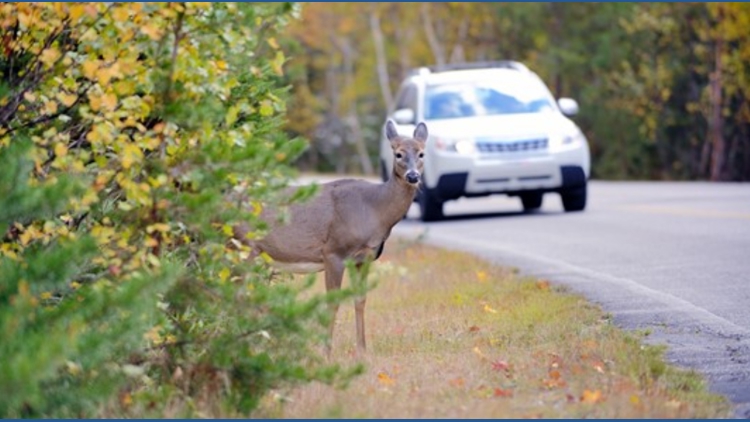
As the sun rises over the sprawling fields of Ohio and Michigan, a dedicated team at Nature's Nursery prepares for another day of wildlife rehabilitation. Among the first to arrive is Sarah Johnson, a licensed wildlife rehabilitator, who has spent the last decade caring for injured and orphaned animals. Today, however, she faces a daunting challenge: an unprecedented influx of wildlife in need. "We’re seeing more animals than ever before, and it’s becoming increasingly difficult to keep up with the demand," she says, her brow furrowed with concern.
In recent years, both Nature's Nursery and Out-Back Wildlife Rehab have reported a significant increase in the number of animals requiring rehabilitation. According to data collected by the organizations, the number of injured or orphaned wildlife has surged by over 30% since 2020. This alarming trend is attributed to a combination of factors, including habitat loss, climate change, and rising human-wildlife conflicts.
Nature's Nursery, located in Whitehouse, Ohio, has taken in over 1,500 animals this year alone, a record high for the facility. Similarly, Out-Back Wildlife Rehab, based in Michigan, reports similar statistics, with a 25% increase in cases over the past two years. The statistics are stark: more than 1,000 birds, mammals, and reptiles are being treated each month across both facilities, highlighting a growing crisis for wildlife in the region.
The challenges are not just limited to the animals themselves. With rising operational costs, including food, medical supplies, and staffing, both organizations are feeling the financial strain. “We’re doing our best, but it’s a constant uphill battle,” says Mark Thompson, director of Out-Back Wildlife Rehab. “Every year, it gets harder to make ends meet.”
The community has taken notice of the increasing challenges faced by wildlife rehabilitators. Local residents are stepping up to support these organizations through donations and volunteer efforts. “We’ve seen a surge in volunteers, especially from families looking to teach their children about wildlife conservation,” says Johnson. “It’s heartwarming to see the community come together for such a worthy cause.”
Local businesses have also joined the effort. Restaurants and shops are organizing fundraising events, donating a portion of their sales to support wildlife rehabilitation. The Toledo Chamber of Commerce recently highlighted these efforts, stating that “the community’s commitment to wildlife conservation is inspiring.”
The volunteers who dedicate their time to wildlife rehabilitation are often the unsung heroes of these organizations. Many come from diverse backgrounds, including students, retirees, and professionals looking to make a difference. For instance, Emily Carter, a college student studying environmental science, volunteers at Nature's Nursery on weekends. “I’ve always loved animals, and being able to help them recover is incredibly rewarding,” she says. Emily’s enthusiasm is shared by others, as volunteers often describe their experiences as transformative, both for the animals they help and for themselves.
Moreover, community members are not just limiting their involvement to volunteering. Local schools have begun to integrate wildlife conservation into their curricula, allowing students to learn about the importance of biodiversity and the role that wildlife rehabilitators play in the ecosystem. Teachers are organizing field trips to Nature's Nursery, where students can see firsthand the rehabilitation process and understand the impact of habitat loss.
Despite the outpouring of community support, the challenges remain significant. Wildlife rehabilitators often face the harsh reality of limited resources. The cost of veterinary care has skyrocketed, with some treatments costing upwards of $1,000 per animal. This financial burden makes it difficult for smaller organizations to provide the necessary care.
Moreover, the physical space available for rehabilitation is becoming increasingly strained. Both Nature's Nursery and Out-Back Wildlife Rehab are operating at full capacity, leaving little room for new intakes. “We’re forced to make tough decisions about which animals we can take in,” says Thompson. “It’s heartbreaking to turn away an animal in need.”
In addition to space constraints, the facilities are also grappling with the need for specialized equipment. As the variety of animals in need of care expands, so does the requirement for specific medical supplies and enclosures tailored to different species. This has led to increased operational costs, further complicating their ability to provide adequate care.
Looking ahead, both organizations are exploring new strategies to cope with the rising demand for wildlife rehabilitation. They are actively seeking grants and partnerships with local governments and environmental organizations to secure funding. “We’re hopeful that by working together, we can create a more sustainable model for wildlife care in our region,” Johnson explains.
Additionally, educational outreach programs are being developed to raise awareness about wildlife conservation and the importance of preserving habitats. “If we can educate the public about the challenges wildlife face, we can help reduce the number of animals in need of rehabilitation,” says Thompson. “It’s a long-term solution, but it’s necessary.”
Both Nature's Nursery and Out-Back Wildlife Rehab are also considering the implementation of community workshops focused on wildlife care and conservation. These workshops could provide valuable information on how residents can coexist with local wildlife, reduce human-wildlife conflicts, and foster a healthier environment. By empowering the community with knowledge, the hope is to cultivate a proactive approach to wildlife conservation.
Additionally, both organizations are looking into expanding their social media presence to reach a broader audience. By sharing success stories and the daily realities of wildlife rehabilitation, they aim to inspire more people to get involved and support their mission.
Community involvement will play a crucial role in the future of wildlife rehabilitation in Ohio and Michigan. Both Nature's Nursery and Out-Back Wildlife Rehab are encouraging residents to become more involved, whether through volunteering, donations, or simply spreading the word about wildlife conservation. “Every little bit helps,” says Johnson. “We can’t do this without the support of our community.”
As the seasons change and wildlife continues to face unprecedented challenges, the commitment of local residents and businesses will be vital in ensuring that these rehabilitators can continue their important work. By fostering a culture of conservation and support, Toledo and its surrounding areas can help secure a brighter future for wildlife.
In conclusion, the rising costs and shrinking habitats are straining wildlife rescuers in Ohio and Michigan. However, with community support and a commitment to education, there is hope for a sustainable future. As Johnson puts it, “We’re all in this together, and together, we can make a difference.”
By Eli Johnson

By Samantha Bell

By Mark Chen

By Rachel Thompson